PuzzleByte rebus tutorial
How to solve PuzzleByte rebus puzzles
A PuzzleByte rebus hides a word inside a picture. Objects, letters, actions, and positions combine to sound like the answer.
- Read the first clue for the puzzle type
- Name what you see in the picture
- Say the pieces aloud and combine them
Three quick examples
These examples show three common ways a PuzzleByte picture becomes an answer.
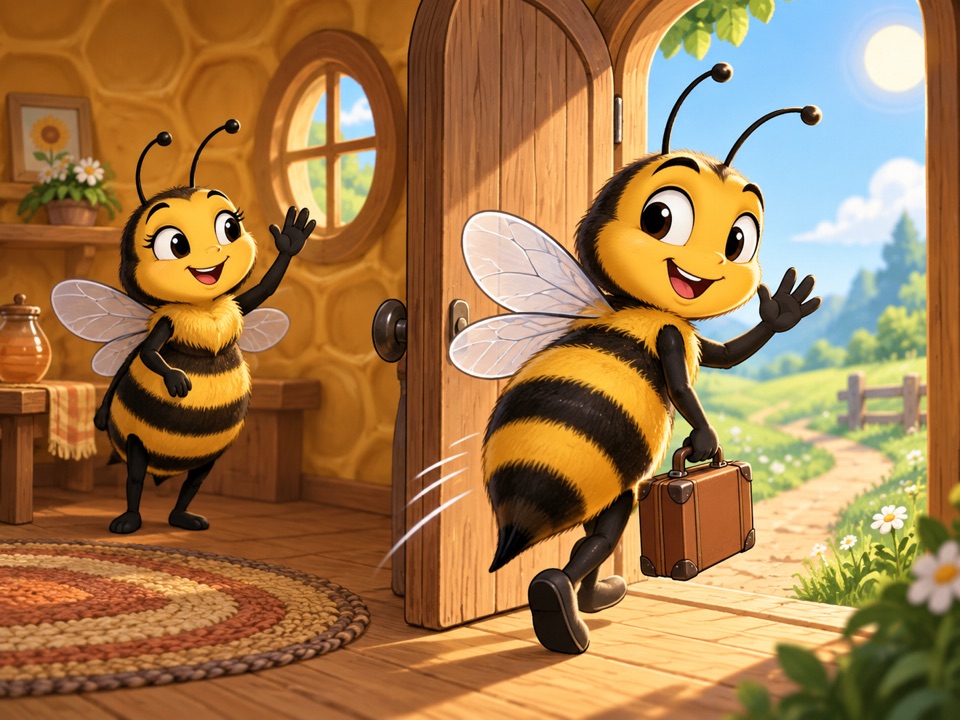
A bee is leaving its home.
BEE + LEAVE = BELIEVE
A cab is trapped inside a net.
CAB + IN + NET = CABINET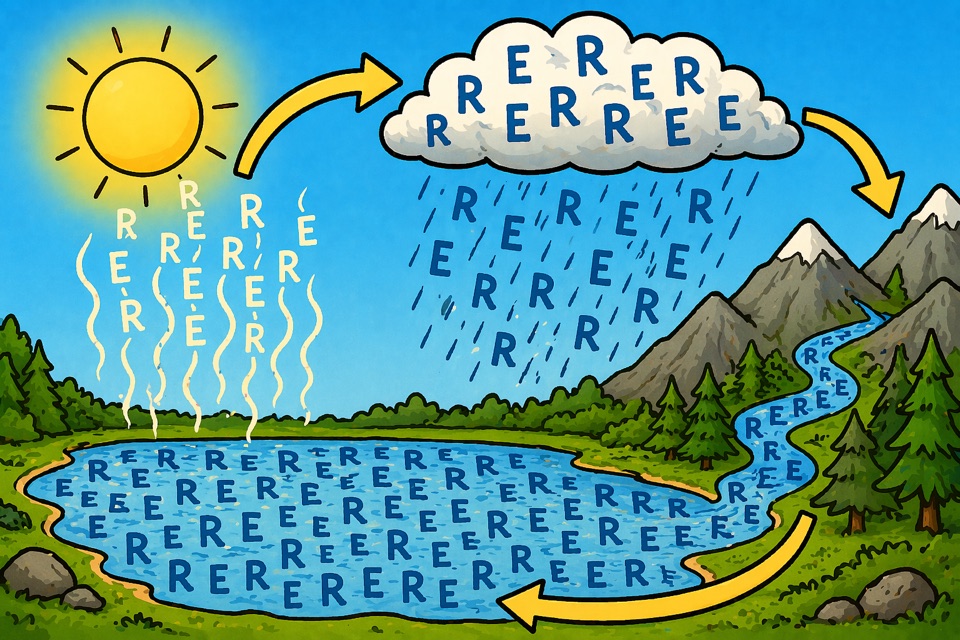
The letters RE repeat through a cycle.
RE + CYCLE = RECYCLEPuzzle types
The first clue tells you which kind of puzzle you are solving.
- Object + Object
- Object + Action
- Action + Object
- Letter or Symbol + Word
- Object + Number
- One Thing Inside Another
- Name or Title + Object
- Object + Description
- Repeated Letters or Objects
- Sound-Alike Words
How we make them
We start with an answer, split it into smaller sounds, and turn those sounds into one unusual picture. Then we add hints that explain how to look at it.
How to solve them
The spelling may change a little. Listen to how the pieces sound together.
- Read the first clue to learn the puzzle type.
- Name the important things in the picture.
- Notice what they are doing and where they are.
- Say the parts aloud.
- Combine the sounds.
Common questions
Questions about puzzlebyte rebus tutorial
What should I do first?
Read the first clue. It tells you what kind of parts to find in the picture.
Does the spelling have to match exactly?
Not always. The pictured pieces often sound like the answer even when their spelling is different.
What if I get stuck?
Say the pieces aloud, check the answer length, and use one hint at a time.